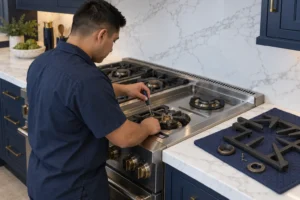
Range Repair in San Francisco
Thermador gas, dual-fuel and induction range repair in San Francisco and the Bay Area: burners, ovens, igniters, codes and controls diagnosed before…

Specialized Thermador Appliance Repair in San Francisco
Mon–Sat: 8:00 AM – 7:00 PM
Professional-style ranges anchor many remodeled Bay Area kitchens, and burner or oven trouble is traced to the cause before any part is replaced.
Thermador repair · San Francisco & the Bay Area
A freestanding professional-style range is the kind of purchase that shapes a whole kitchen layout, and it appears in a great many San Francisco remodels. It combines a gas rangetop with one or more ovens in a single chassis, which means a fault in one section can look like trouble in another. This guide covers the models we list, how to find the label, and what the common symptoms usually mean.
We cover seven Thermador ranges, all marked as current:
Dual fuel means a gas rangetop paired with an electric oven, while a gas range uses gas for both. That distinction matters for diagnosis, since an oven that will not heat is a different investigation in each case.
On a range the label is usually on the oven frame, often visible when the oven door is open, or along the side of the chassis. In some kitchens the range sits between cabinets so tightly that the side is not reachable. The open oven door is the better place to look. The article on finding a Thermador model number adds a few more spots.
A Thermador gas burner needs a spark, gas flow and a clean port. Food boil-over can clog a port or soak the igniter, and a cap seated slightly off center can keep a burner from catching. Our article Thermador range burner won’t light lists what to check in order. If a Star burner keeps clicking after it has lit, see Thermador Star burner keeps clicking.
In a gas oven the technician looks at the igniter and the safety circuit; in an electric oven, the heating elements and the sensor that reports temperature. Both depend on the control. See Thermador range oven not heating for a symptom-first approach.
A door that will not close fully, a cleaning latch that sticks or a cooling fan that runs after use are common. Fan and latch faults can trigger codes, described below.
Blank displays, buttons that do not respond or a clock that resets after a power blip. These can be as simple as a tripped breaker or as involved as a control board fault.
Some ranges signal faults with two blue lights that blink one number and then a second. Others show a numbered E code. The meanings we have verified include door latch faults (blink 44 or E11), a cooling fan that is not running (blink 43), an open temperature sensor (blink 10) and an expansion board that is not connected on 48-inch ranges (blink 11). Each code page explains what the owner can note down. A code tells the technician where to begin, not which part to replace.
Gas pressure, a level base, the position of the anti-tip bracket and the clearance to the hood all matter. A range pushed back against the wall can crush a flexible gas connector, and a hood that is too close can push heat onto the control area. Dual-fuel models also need a dedicated electric supply, so a tripped breaker is a first check.
If you smell gas, leave the house at once, avoid switches and call the gas utility or 911 from outside. Never touch gas fittings yourself. If you smell burning or see sparks, switch the range off at the breaker.
For a visit, see Thermador range repair. We diagnose before repairing, give a written estimate and wait for your approval.
The model number and the appliance type tell us, as does the electrical supply behind the range. The PRD486WDGU is dual fuel and the PRG486WDG is gas.
A dirty port, a wet or misaligned cap or a weak igniter is the usual cause. Dry and reseat the cap first, then call if it persists.
On ranges that use them, two lights blink one number and then a second, and the pair maps to a fault. Note the pair and see the code pages for the verified meanings.
Often yes, if the rangetop lights normally and there is no gas smell, but only a technician can say whether the fault affects both sections.
Not always. Some checks are done from the front, while gas connection or rear electrical work needs access behind it, and the technician decides after the first diagnosis.
Thermador gas, dual-fuel and induction range repair in San Francisco and the Bay Area: burners, ovens, igniters, codes and controls diagnosed before…
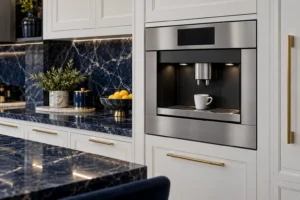
Built-in Thermador coffee machines in San Francisco kitchens: models TCM24PSN and TCM24TSN, water and milk system faults, code E0510 and safe daily-care…
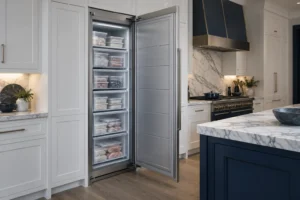
Thermador column freezers in Bay Area kitchens: the models we list, where the label hides, common frost and ice-maker complaints, and safe…
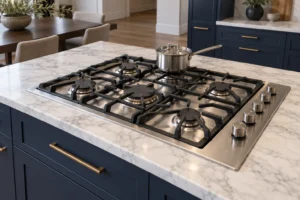
Induction, gas and rangetop Thermador cooktops in San Francisco kitchens: listed models, label spots, error codes, and safe checks before you book.
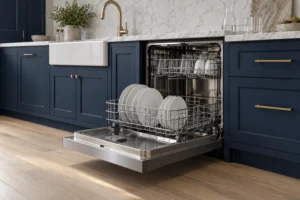
Thermador dishwashers for San Francisco homes: Sapphire and current models, leaks, drain and heat faults, the verified E-codes, safe checks and how…
Share a few details and we’ll confirm an appointment. Prefer to talk? Call us and we’ll help right away.